Assessing Platforms - Curbing Misinformation.
For this assignment, I will be analyzing two major platforms and understanding how they are helping to curb misinformation in their apps. The two apps I will be looking into are Tik tok, as well as Facebook. These two sites have been around for quite some time and still have massive followings. Let’s begin!
The first one we are going to be diving into is Tik Tok. In August 2018, Tik Tok merged with Musical.ly, creating a soon-to-be viral app that would have the younger generations in a chokehold. This site began as a dancing platform, but then soon transitioned into comedy, informational, and entertaining. Therefore, it allows users to create any content they wish and post it. This can be dangerous for people who want to spread misinformation - as it is very easy to go viral on this app.
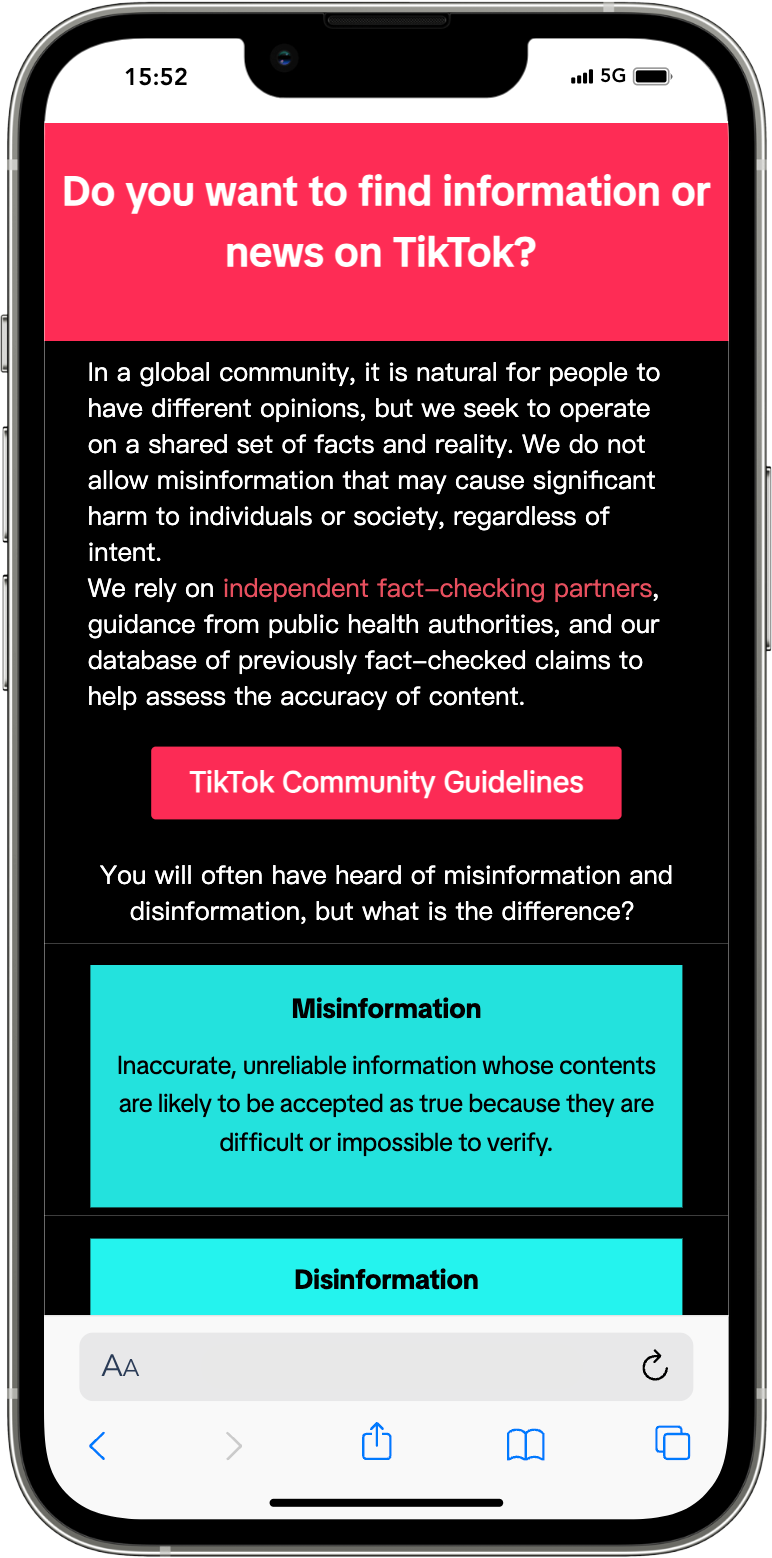
According to Tik Tok policies (as of 2025), any misinformation regarding health, elections, climate change, and more topics along those lines are immediately taken down by the site. They also have the ability of making content unable to reach the “for you” page, which is the main page when you open the app up. The algorithm goes with what you have previously viewed and will show you more of that content. It also can show the most viral videos that have gained the most traction. By banning videos that are made to be harmful, this can limit the amount of misinformation. They also have official independent fact checkers that fact check information that may seem deceiving. However, does this really put an end to the spread of misinformation?
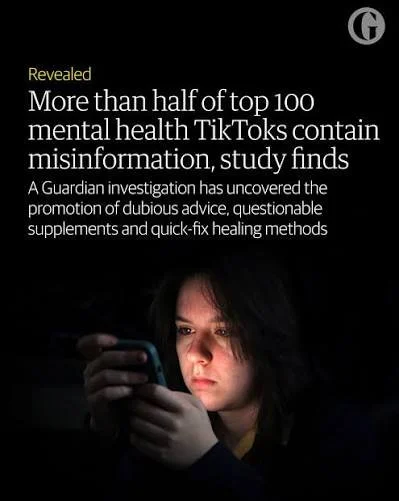
The answer is not really. Many countries have banned Tik Tok from its citizens due to the spread of misinformation. With how widespread this app is, it can be really hard to get all of the deceptive posts banned. Also, with how engaging this app is, users can spend hours on it and consume so much information. There is no doubt that at least some of it is harmful to the users.
Even with the impossibility of getting all misleading information off of the app, Tik Tok has introduced smaller ways to help the user decide on their own whether they should trust the content they are viewing. These include verifying accounts with a blue checkmark so the user knows who is “official”, as well as flagging content for AI usage and unverified content.
As the fight continues for Tik Tok and misinformation, it will be interesting to see how the app evolves with the changing times.
The next platform is Facebook. Being around even longer than Tik Tok, it was created in 2004 by the company, “Meta” - being claimed to be one of the earliest social media platforms available to the public. It was an app created to update others on your life by adding images, videos, and comments. You can also very easily repost media and gain traction that way. With the easy capabilities of spreading information and also posting your own, does this allow for easily spread misinformation?
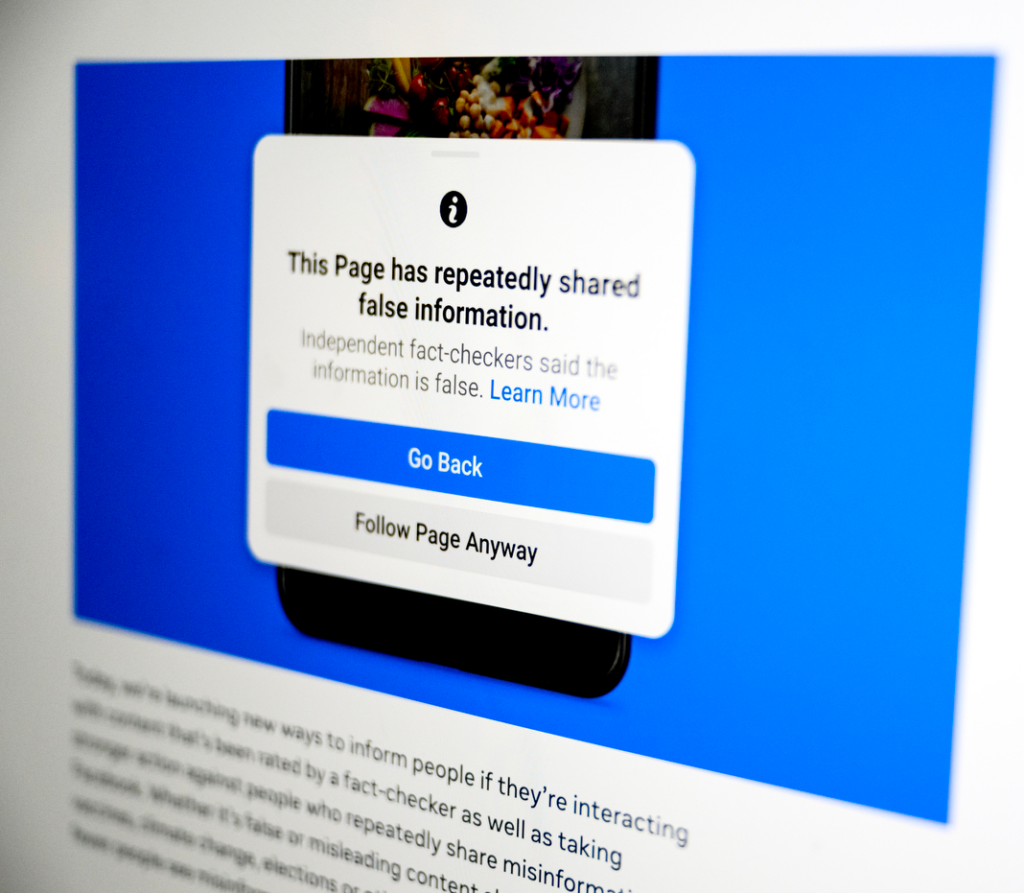
Similar to Tik Tok, Facebook has multiple ways of trying to eliminate false content. As of 2026, Independent fact checkers can rate media as false, therefore pushing it lower into a person's feed. They also take action when it comes to people who repeatedly post misinformation by banning their accounts if needed. However, this also feels as if it cannot truly take away the false content.
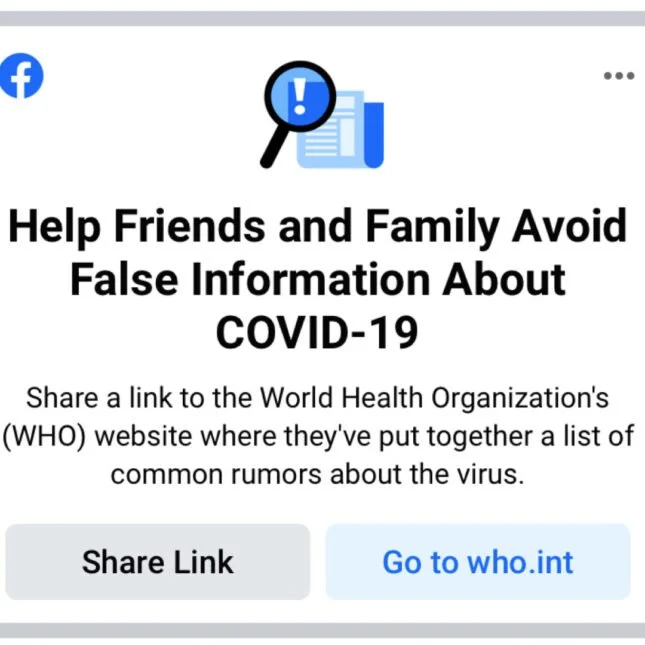
It can seem almost impossible to completely get rid of the spread of misinformation. Therefore, to help combat the effects of it, Facebook has introduced access to centralized hubs to give consumers of the app accurate information for hot topics in today's world. This allows the user to come to their own conclusions before they view any information on the app.
With these two platforms trying their best to get rid of misinformation, it is an unfortunate fact that they simply cannot tackle all of it. As media is always evolving, social media platforms must find new and advanced ways to make sure that their apps are as credible as possible. It is important to have strong media literacy skills to combat the overwhelming nature of harmful media. Some ways to stay conscious of this topic are: Be wary of algorithms and how they track what you are watching. Make sure that if you find content that seems inaccurate, you double check by researching it before you believe it or share it. In an ever evolving technological world, it is important that we keep evolving also to stay up to date with what to trust online.