AI and Misinformation - How are they connected?
A Basic Intro For Newbies
News Flash: Artificial Intelligence Is taking over the world!!!
Just kidding… Kind of?
In todays society, artificial Intelligence is in every aspect of our lives. Wether you are googling common knowledge, trying to make a grocery list, studying for a test, or using a smart assistant in your favorite app - this new form of intelligence is truly everywhere. With how cool and enticing this may seem, there are multiple worrisome factors that are important when deciding to trust AI. So, I present to you a short introduction on how to avoid (or navigate through) misinformation when using AI, specifically for the newbies of social media. Here we go!
Important definitions:
Misinformation: false, inaccurate, or misleading information that is spread without any intent to deceive or cause harm.
Disinformation: Disinformation is false or misleading information that is spread on purpose to deceive, manipulate, or cause harm.
Artificial Intelligence (AI): The ability of a computer or machine to mimic human thinking, learning, and problem-solving.
Propaganda: The deliberate spreading of information, rumors, half-truths, or lies to influence public opinion and shape behavior.
How much does AI affect social media?
To begin, I think it is very important to understand that Artificial intelligence is an ever-growing concept. Even since it’s early days just a few short years ago, it has fundamentally changed in so many different ways - especially in regards to how quickly you can extract information on any platform.
Everywhere you look online nowadays, you are being exposed to AI. In a sense, it can be almost overwhelming with how many different forms and types of this intelligence there are. For today, we will only primarily be looking at the social media aspect of AI.
One of the main ways social media companies including Facebook (Meta Platforms) and Tik Tok (ByteDance) incorporates this intelligence into its platforms is through creating an algorithm tailored to each user. An algorithm is how the system tracks content that you interact with (meaning things you comment on, like, and share) These algorithms are how the media companies know what to advertise to specific audiences.
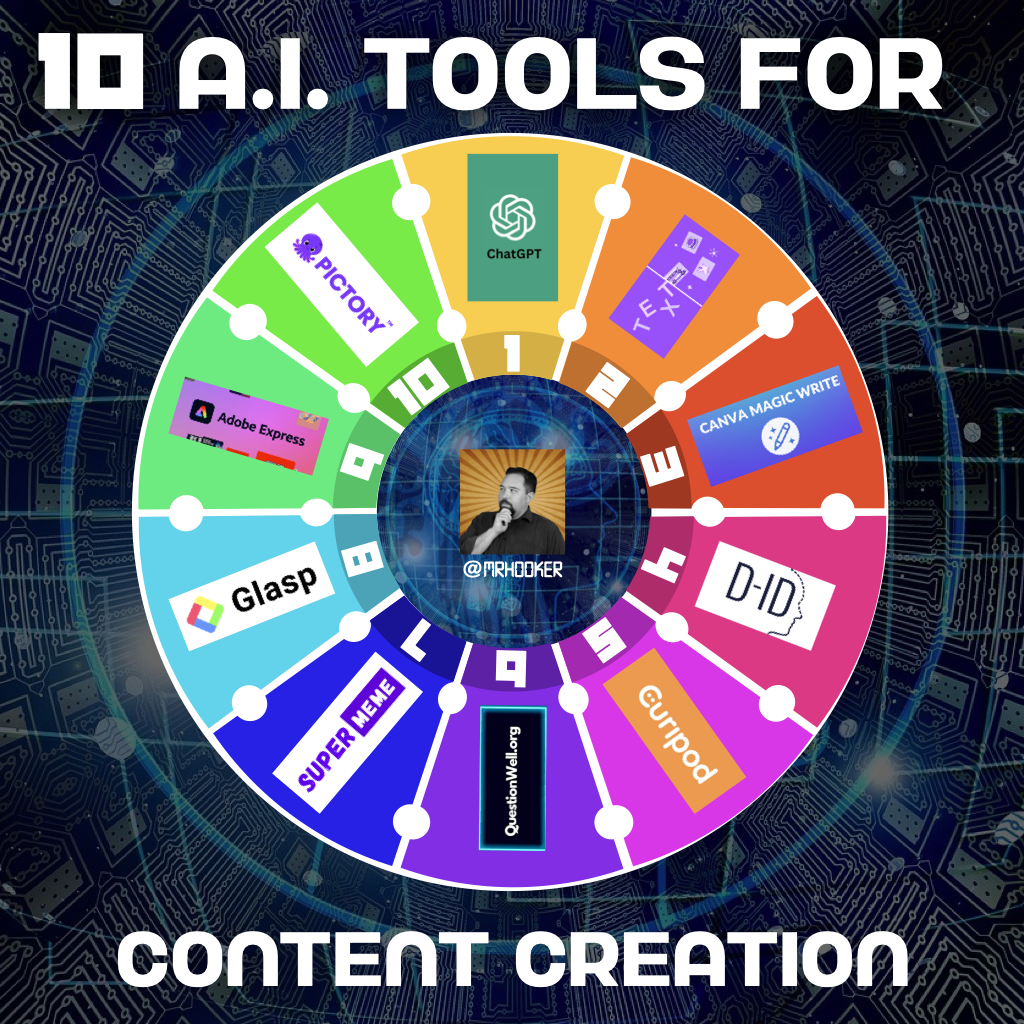
Another way this intelligence is a foundation for social media is the concept of content creation. In almost every social media app, generative AI can help a user create pictures, captions, and sometimes even videos to post for their following. With this use of AI, the opportunities are almost endless for what a user can post and create. Maybe you’re a mom of 4 kids who wants to think of a bright caption to post with a photo of them. Or maybe you’re an influencer trying to save time with editing a photo. Both of these are examples of how AI in social media can help a user curate their content.
How could this be dangerous?
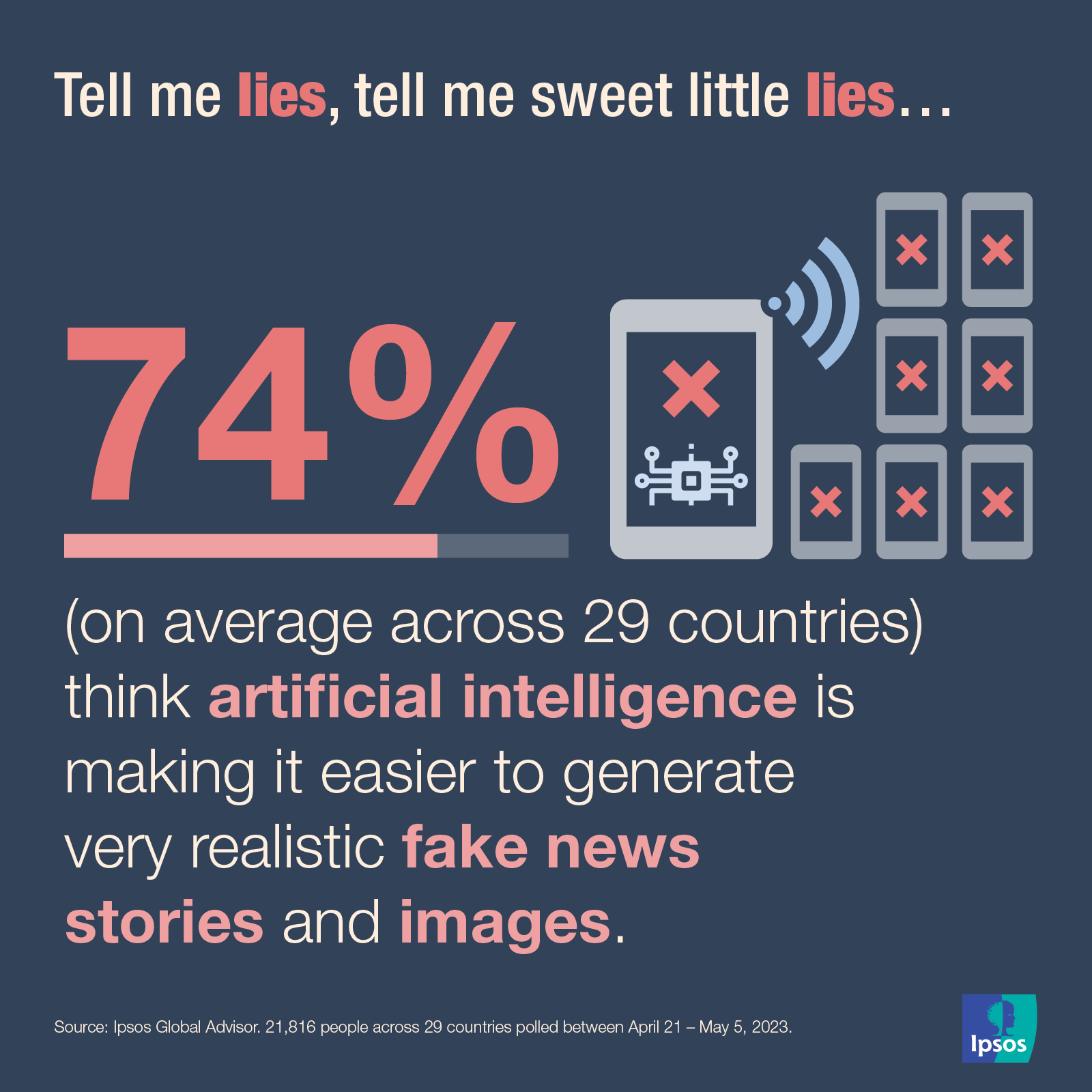
With users of social media having endless opportunities to create whatever they want in mere minutes, there has got to be at least one or two problems.. . right? Well, one of the biggest issues with this is that a user can create a totally made up scenario and spread it online. With the concept of virility today, fake headlines and made up stories are more likely to go viral in today’s world. With this ability of virility, AI can be used to create false propaganda and misinformation. For example, President Donald J. Trump has admitted to creating multiple AI generated photos depicting him in heroic instances, in order to gain traction on social media platforms such as X (formally known as twitter) as well as to promote his political stances.
Our technology has advanced so much in recent years, that more people are likely to fall for false information rather than to notice that it is fabricated. Since social media is such a huge part of everybody’s lives, this technology can cause detrimental damage if it gets into the wrong hands. Although AI may seem trustworthy, chances are that what you ask it to give you will still be inaccurate. According to the University of Maryland, there are multiple ways that AI can make mistakes including mixing truth and fiction, making up false information, making guesses in gaps of information, crediting inaccurate sources, and misinterpreting your prompt that you give it. Therefore, you must be careful when both creating generative content, consuming it, and even sharing it.
How do we navigate this?
Well, this is still something that society is trying to master. These high-end social media companies say they are trying their best to fight misinformation as well as disinformation on their apps caused by AI. According to Facebook.com, their approach is to use official fact checkers to double check questionable content, as well as creating algorithms that hide deceptive posts further down in the users feed.
However, major media companies with billions of users can only do so much to help fight the battle of misinformation. In many cases, it is up to each and every user to build a strong media literacy in order to combat this information. I like to consider handling this issue in just a few simple steps.
Step 1: Stay educated
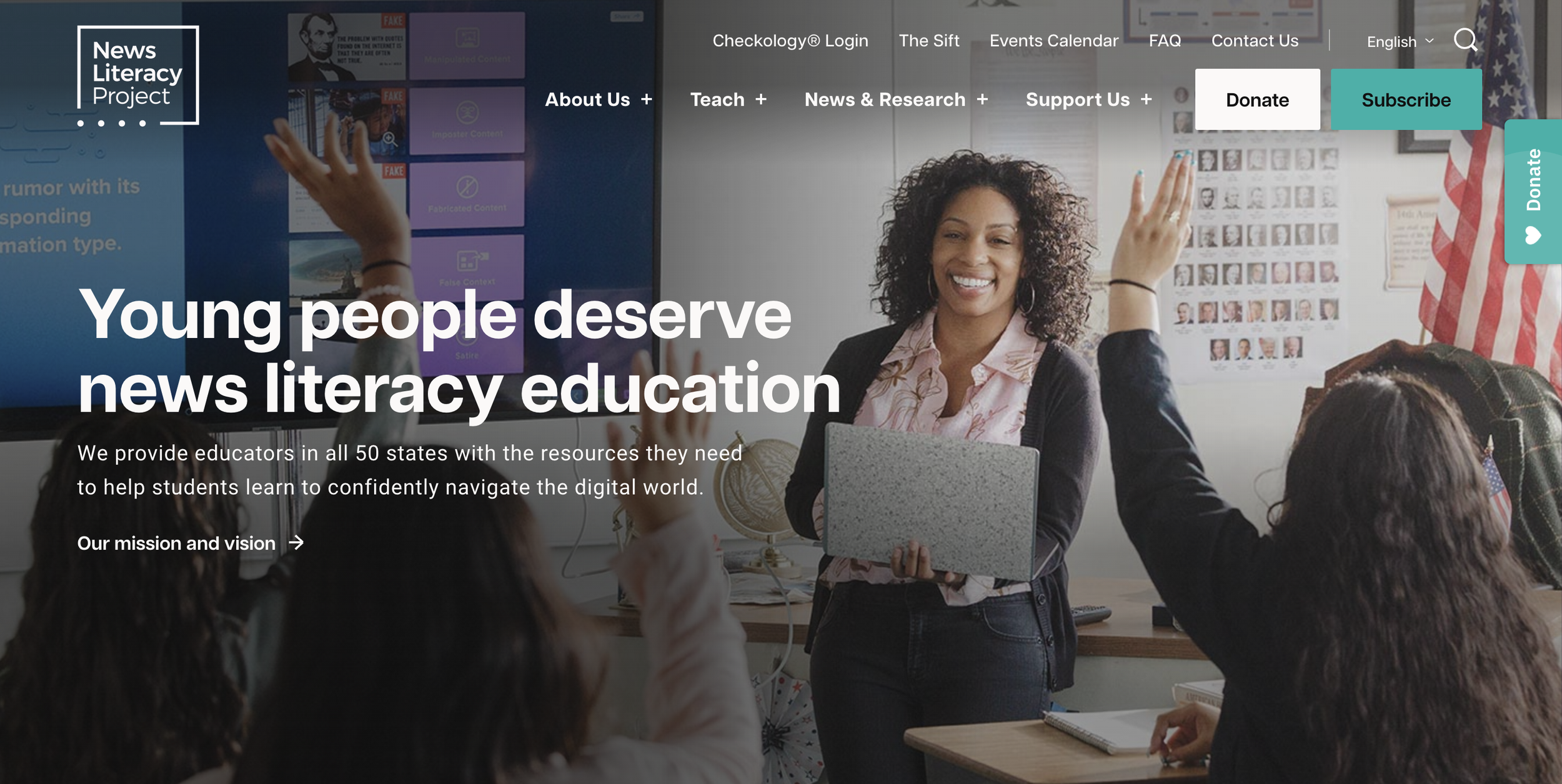
It is important to continuously build your media literacy, as the technological world today is ever changing. One of my favorite platforms to keep me educated is The News Literacy Project. Originally created for students, this project is built to help people stay educated in areas such as finding reliable sources, spotting misinformation, and to think critically online.
Step 2: Spotting AI
As we have discussed, AI can be a beneficial tool in multiple ways, but it does have its errors. The easiest ways to spot this are to thouroughly observe what content you are looking at. AI generative content has a very high tendency to have apparent issues, such as “looking too good to be true” and almost having no flaws at all on the object or person it is highlighting. If you are looking at an image that could potentially look real, but there are minor issues such as duplicated objects, asymmetries and inaccurate shadowing, it is most likely AI.
Step 3: If you see it, report it
The easiest step there is… if you believe you have come into contact with generative misinformation, do not share it. Do not repost it or show it to your friend. The best thing you can do in that scenario is report it the correct way according to whatever hosting site you are on. Each platform has easy ways to report - so don’t be afraid, and just do it! You are doing everyone a favor by fighting back against this information.
In Conclusion…
The media world is full of so many amazing things. Whatever you are looking for online, there are multiple ways to find it. However, with this joyful attribute comes the harsh realities of generated misinformation. So, it is up to each and every user to make the online realm a safe and trustworthy place to browse. Also, remember newbie: stay educated, look for the signs, and report if necessary. Other than that, enjoy your content! Safe Travels!
(Futurepedia, 2026)
(Ipsos, 2026)
(Hooked On Innovation, 2026)

(One of President Trumps AI photos, CBS 2026)
(The News Literacy Project main home page, 2026)
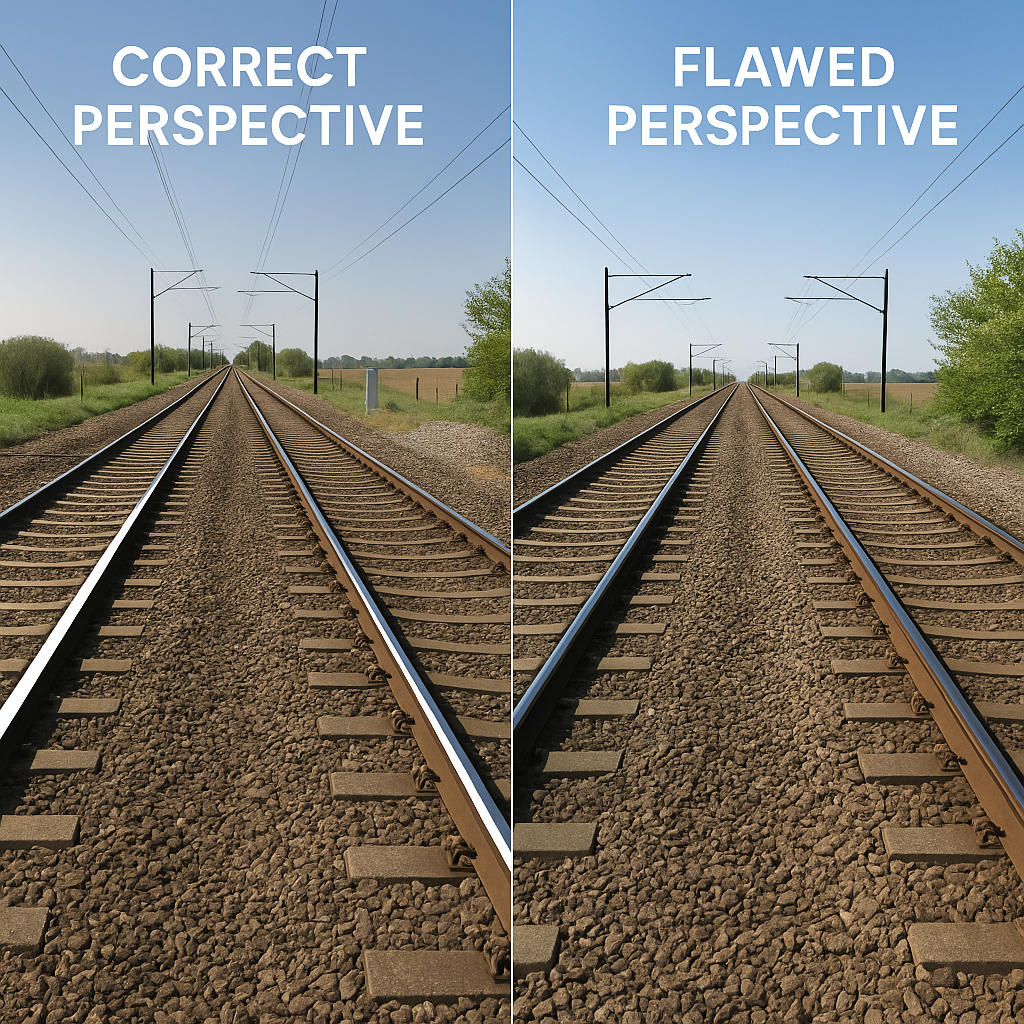
(an example of a real photo vs an AI photo, GIJN 2026)
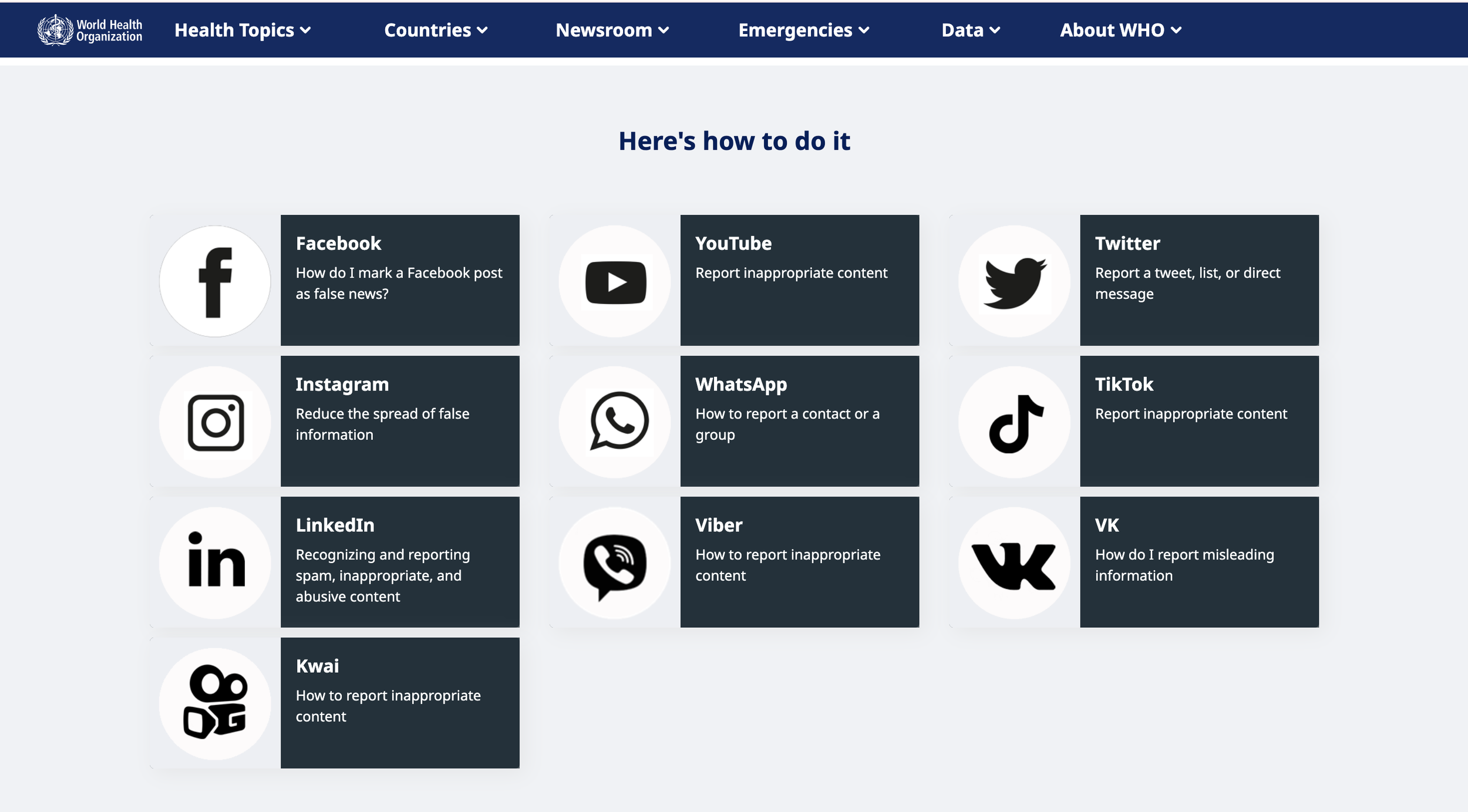
(Different ways to report misinformation, WHO 2026)